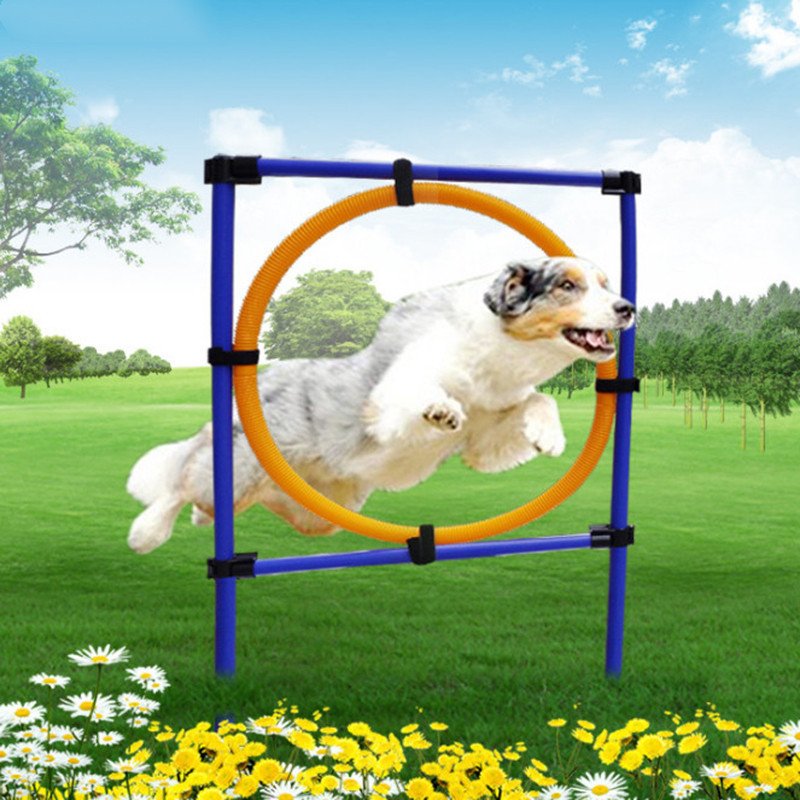
For dogs, the great outdoors isn't just a place to relieve themselves; it's a vibrant, ever-changing playground brimming with sights, sounds, and smells. Engaging your canine companion in Outdoor Adventures & Exercise Games for Dogs isn't merely about burning off excess energy; it's a powerful tool for physical health, mental stimulation, behavior reinforcement, and, most importantly, strengthening the unique bond you share. As a seasoned journalist and lifelong dog enthusiast, I’ve seen firsthand how a well-chosen outdoor activity can transform a bored, restless dog into a joyous, well-adjusted member of the family.
This isn't about simply tossing a ball. It's about understanding your dog's natural instincts, catering to their breed-specific traits, and tapping into their innate desire to learn and explore. From classic retrieves to specialized canine sports, a world of adventure awaits you and your four-legged friend.
At a Glance: Your Dog's Outdoor Play Playbook
- Diverse Benefits: Outdoor activities offer intensive exercise, crucial mental stimulation, and excellent opportunities for training, socialization, and bonding.
- Safety First: Always prioritize your dog's health, safety, and comfort, considering their age, breed, and fitness level.
- Start Simple: Classic games like Fetch and Chase are great entry points and build foundational skills.
- Engage the Brain: Activities like Agility, Nose Work, and Hide and Seek challenge your dog mentally, preventing boredom.
- Specialized Sports: Explore team events like Flyball or individual challenges like Dock Diving if your dog shows a knack for specific skills.
- Bonding Boost: Shared adventures deepen trust and communication between you and your dog.
- Gear Up: Invest in appropriate harnesses, leashes, toys, and safety equipment for different activities.
Why Outdoor Play Isn't Optional: The Pillars of Canine Well-being
Think of outdoor time as a multi-vitamin for your dog's entire being. It’s far more than just a bathroom break; it’s an essential component of a happy, healthy, and balanced life.
Fueling the Body: Physical Health Beyond the Walk
Regular, varied outdoor exercise combats obesity, a growing epidemic among pets that leads to joint issues, diabetes, and heart disease. Intensive activities strengthen muscles, improve cardiovascular health, maintain a healthy weight, and enhance overall stamina. Just like humans, dogs need to move, stretch, and challenge their bodies to stay agile and resilient. A dog that is physically active sleeps better, has better digestion, and is less prone to certain health conditions.
Sharpening the Mind: Preventing Boredom and Destructive Behavior
A tired dog isn't just physically spent; they're often mentally satisfied. Many behavioral problems—excessive barking, chewing furniture, digging, or anxiety—stem from boredom and a lack of mental engagement. Outdoor games, especially those that involve problem-solving, scent work, or complex commands, provide crucial mental stimulation. They tap into a dog's natural instincts, giving them a "job" to do and channeling their energy constructively. This mental workout is just as vital as the physical one.
Building Bridges: Strengthening Your Unique Bond
Every throw, every command, every shared sprint reinforces the unique connection you have with your dog. Outdoor play is a powerful bonding experience, built on trust, communication, and mutual enjoyment. It’s an opportunity to practice positive reinforcement, celebrate successes, and simply enjoy each other's company in an active, joyful way. These shared adventures create lasting memories and deepen your understanding of your dog’s personality and quirks. For more ideas on enriching your dog's daily routine, you can explore our comprehensive guide to playtime with your furry friend.
Mastering Manners: Socialization in the Real World
While not every outdoor game involves other dogs, many provide opportunities for safe, supervised socialization. Encountering new sights, sounds, people, and other well-behaved dogs in various environments helps your dog develop confidence and appropriate social skills. This exposure is crucial for puppies but remains important for adult dogs to prevent fear or aggression.
Pre-Adventure Checklist: Setting Your Dog Up for Success
Before you dive into the exciting world of outdoor dog games, a little preparation goes a long way. Safety and comfort should always be your top priorities.
- Veterinary Check-Up: Ensure your dog is healthy enough for strenuous activity. Discuss any existing conditions (e.g., joint issues, heart murmurs) with your vet.
- Appropriate Gear:
- Leash & Harness: A well-fitting harness distributes pressure evenly and is safer than a collar for many activities. A sturdy leash is non-negotiable for safety.
- Toys: Durable, dog-safe toys suitable for the chosen activity (balls, frisbees, tug toys, floating toys for water).
- Water & Bowl: Essential for hydration, especially during active play.
- Waste Bags: Always clean up after your dog.
- First-Aid Kit: Basic supplies for minor cuts, scrapes, or paw injuries.
- Weather Protection: Paw booties for hot pavement or ice, a dog coat for cold weather, or cooling vests for heat.
- Basic Training Foundation: A reliable "come," "stay," and "leave it" command is critical for safety and enjoyment, especially in off-leash areas.
- Location Scouting: Research your chosen location. Are dogs allowed? Are there off-leash areas? What are the potential hazards (traffic, wildlife, unsafe water, aggressive dogs)?
- Weather Watch: Avoid extreme temperatures. Hot pavement can burn paws, and extreme cold can lead to hypothermia. Always be mindful of humidity.
Dive Into Action: Engaging Outdoor Games for Every Dog
The beauty of outdoor dog games is their versatility. There’s something for every dog, regardless of age, breed, or energy level. Let's explore some of the most popular and beneficial activities.
Classic & Accessible Fun: Easy Entry for All Paws
These activities are fantastic starting points, requiring minimal equipment and easily adaptable to various spaces.
1. Fetch: The Timeless Game of Retrieve
A true canine classic, Fetch is where many dogs discover the joy of outdoor play. You throw a ball, frisbee, or toy, and your dog brings it back.
- Why it's great: Excellent cardiovascular exercise, helps refine recall, and satisfies a dog's natural chasing and retrieving instincts.
- How to start: Some dogs, especially retrievers, instinctively bring items back. Others need training: praise and reward when they pick up the item, then again when they bring it closer, eventually asking for a "drop it" command.
- Pro-Tips: Use a ball launcher for extra distance and less arm strain. Floating toys are perfect for water-loving dogs, turning Fetch into a cool-down activity. Always ensure the toy is appropriately sized to prevent choking.
- Best for: Most breeds, especially those with retrieving instincts like Labradors, Golden Retrievers, and Border Collies.
2. Chase: The Thrill of the Pursuit
Similar to fetch, Chase focuses more on the pursuit itself. You might throw a toy for your dog to chase, or you might have them chase you!
- Why it's great: High-intensity cardio, satisfies prey drive in a controlled way, and great for building speed and agility.
- How to start: Find an open, safe, off-leash area (if permitted). Throw a favorite toy or frisbee and encourage your dog to run after it. For chasing you, make it a game: run a short distance, call their name excitedly, and reward them when they catch up.
- Pro-Tips: Ensure the environment is safe and free of hazards. For dogs faster than you (like Greyhounds), chasing a thrown object is more stimulating.
- Best for: Energetic breeds, sighthounds, and terriers.
3. Swim: Making a Splash for Fitness
Not all dogs are natural swimmers, but for those who are, water play offers a fantastic, low-impact full-body workout.
- Why it's great: Gentle on joints, excellent for cooling down in hot weather, and builds confidence.
- How to start: Introduce your dog to water gradually. Start with a shallow paddling pool or sprinkler at home. At beaches or lakes, let them wade first, then encourage them with a floating toy. Never force a dog into the water.
- Safety First: Always research leash rules, dog allowance, water quality, and local wildlife before venturing into open water. Use a dog life vest, especially for beginners or in strong currents. Always rinse your dog after swimming to remove chlorine or salt.
- Best for: Water-loving breeds like Portuguese Water Dogs, Newfoundlands, Labradors, and Poodles.
4. Hide and Seek: A Brain Game for the Backyard
This classic childhood game is equally fun for dogs, engaging their excellent sense of smell and hearing.
- Why it's great: Boosts problem-solving skills, strengthens the "stay" and "come" commands, and builds excitement for interaction.
- How to start: You'll need space and a dog with a solid "stay" command. Start with two people: one holds the dog, the other hides a short distance away. Call your dog once hidden. For a nose work variation, let your dog see and sniff a treat, then hide it and command them to "find it!"
- Pro-Tips: Start with easy hiding spots and gradually increase difficulty. Use high-value treats or favorite toys.
- Best for: All breeds, especially those with good recall and a strong sense of smell.
Boosting Brains & Body: Intermediate Engagement
These activities require a bit more structured training or focus, offering a more profound mental and physical challenge.
5. Agility: Leaping, Weaving, and Soaring
Agility involves guiding your dog through an obstacle course featuring jumps, tunnels, weave poles, and seesaws.
- Why it's great: Exceptional physical workout, incredible mental stimulation, builds confidence, and strengthens communication and teamwork.
- How to start: Agility classes are highly recommended to learn proper techniques and ensure safety. You can also set up a simplified course at home using household items (e.g., broomsticks over books for jumps, hula hoops for tunnels) to practice basic commands and build enthusiasm.
- Pro-Tips: Focus on positive reinforcement. Start with low obstacles and build up gradually. Always prioritize your dog's safety and avoid high-impact activities if they have joint issues.
- Best for: Energetic, intelligent breeds like Border Collies, Australian Shepherds, Shetland Sheepdogs, and Jack Russell Terriers.
6. Nose Work: Unlocking the Power of Scent
Nose work, also known as scent work, harnesses your dog's most powerful sense: smell. It's a sport where dogs learn to identify and locate specific odors.
- Why it's great: Mentally exhausting and incredibly satisfying for dogs, builds confidence, reduces anxiety, and provides an outlet for their natural scavenging instincts.
- How to start: Begin by hiding high-value treats in the garden while your dog watches, then encourage them to "find it." As they get better, make the hiding spots more challenging and eventually introduce specific scents (like essential oils used in official competitions) to different objects. This can extend to parks or walks, making every outing a treasure hunt.
- Pro-Tips: Never punish your dog for incorrect alerts. Keep it fun and rewarding. Consider joining a nose work class to learn professional techniques.
- Best for: All breeds, particularly those bred for scenting like Beagles, Basset Hounds, and German Shepherds.
7. Disc Dog: Catching Air with Flair
Disc dog events involve dogs and handlers performing choreographed freestyle routines and distance catching with flying discs (frisbees).
- Why it's great: High-energy exercise, incredible display of athleticism, and strengthens the bond through precise teamwork.
- How to start: Start with a soft, dog-safe frisbee. Teach your dog to catch it at a low height, then gradually introduce higher throws and more complex movements. Basic obedience and a strong recall are essential.
- Pro-Tips: Always use dog-specific discs, not human frisbees, which can splinter and injure your dog's mouth. Practice in a large, open, safe area. Competitions are regular and accessible.
- Best for: Agile, energetic breeds with a strong prey drive, like Border Collies, Australian Shepherds, and Belgian Malinois.
High-Energy & Specialized Sports: Advanced Challenges
These activities often require specialized training, equipment, or group participation, perfect for dogs and owners seeking a serious athletic outlet.
8. Flyball: The Ultimate Relay Race
Flyball is a fast-paced team sport where dogs race over hurdles, retrieve a tennis ball from a spring-loaded box, and return over the hurdles.
- Why it's great: Intense physical workout, excellent for dogs with high energy and retrieving instincts, and fosters incredible teamwork among dogs and handlers.
- How to start: This is best learned in a class or club setting due to the specialized equipment and team dynamics. However, you can practice individual components at home: teaching your dog to jump over small hurdles and retrieve a ball.
- Pro-Tips: Flyball is incredibly rewarding for the right dog, offering both physical and mental stimulation. It’s also a great way for owners to connect with other dog enthusiasts.
- Best for: High-drive, agile, and athletic dogs, regardless of size, though most commonly seen with Border Collies, Jack Russell Terriers, and Spaniels.
9. Canicross: Running Trails with Your Canine Partner
Canicross is cross-country running with your dog harnessed to you, pulling you forward. The dog leads, and the owner provides directional commands.
- Why it's great: A fantastic full-body workout for both dog and owner, incredible bonding experience, and allows dogs to fulfill their natural desire to pull and run.
- How to start: Requires specific canicross harnesses for both dog and human, and a bungee line. Training in directional commands ("left," "right," "go forward") is crucial. Start with short distances and gradually increase.
- Pro-Tips: Always warm up and cool down. Consult your vet to ensure your dog is fit for this activity, especially if running long distances.
- Best for: Energetic breeds like Huskies, German Shorthaired Pointers, Vizslas, and Border Collies.
10. Lure Coursing: Unleashing the Inner Predator
Lure coursing is a dog racing form where dogs chase a mechanical lure (often a plastic bag) around a track, simulating the pursuit of live prey.
- Why it's great: Provides an incredibly satisfying outlet for a sighthound's powerful prey drive and speed in a safe, controlled environment.
- How to start: Most lure coursing events are organized through breed clubs (e.g., American Sighthound Field Association). It’s not an activity you can easily practice at home due to the specialized equipment and space required.
- Pro-Tips: While typically for sighthounds, some "fun runs" are open to other breeds. Always ensure the event is safely organized and the lure is appropriate. Greyhound racing is a specific, highly regulated form of lure coursing, with Greyhounds reaching speeds up to 42 miles per hour.
- Best for: Sighthound breeds like Greyhounds, Whippets, Salukis, and Afghan Hounds.
11. Dock Diving: The Art of the Big Splash
Dock diving (or dock jumping) is a rapidly growing sport where dogs run down a dock and jump into a pool of water, competing for distance or height.
- Why it's great: High-energy, visually spectacular, builds incredible confidence in water-loving dogs, and offers a fun challenge.
- How to start: Your dog needs to love water and be comfortable jumping without hesitation. Basic training involves encouraging them to jump off a low platform into water, gradually increasing the height or distance. Professional training facilities offer beginner lessons.
- Pro-Tips: Not all dogs are suited for this. Never force a dog to jump. Focus on positive reinforcement and make it a fun experience.
- Best for: Water-loving, retrieving breeds like Labradors, Golden Retrievers, Chesapeake Bay Retrievers, and Belgian Malinois.
12. Bikejoring: Pedaling with a Powerful Partner
Bikejoring is a pulling sport where a dog pulls an owner on a bicycle. Similar to canicross but with a bike, it requires strong communication and trust.
- Why it's great: An exhilarating, high-speed workout for both dog and owner, utilizing the dog’s natural desire to run and pull.
- How to start: This activity requires significant trust and extensive training. The dog must be trained in directional commands and to maintain a suitable pace while choosing appropriate paths. Specialized bikejoring equipment (bike attachment, harness, bungee line) is essential for safety.
- Safety First: Only attempt this with a well-trained, mature dog who is physically fit. Always wear a helmet. Practice in quiet, open areas away from traffic.
- Best for: Powerful, high-energy breeds like Huskies, Malamutes, German Shorthaired Pointers, and other sled dog breeds.
13. Herding: Tapping into Ancient Instincts
Herding events allow dogs to express their ancient instincts by moving livestock (sheep, ducks, cattle) under the guidance of their handler.
- Why it's great: Deeply satisfying for breeds with herding instincts, provides immense mental and physical challenge, and showcases incredible canine intelligence.
- How to start: This is a highly specialized activity best pursued through dedicated herding instructors and facilities. While difficult to practice in a yard, basic commands and directions (like "walk up," "lie down," "fetch the sheep") can be honed.
- Pro-Tips: Not every dog has the instinct, but for those that do, it’s an unparalleled experience. Collies (Border Collies, Australian Shepherds) are often considered the best herding breeds, though many breeds were originally bred for this purpose.
- Best for: Herding breeds like Border Collies, Australian Shepherds, German Shepherds, and Shetland Sheepdogs.
Making the Most of Your Adventures: Tips for Success
Embarking on new outdoor adventures with your dog should be a joyous and safe experience. Here are a few universal tips to help you both thrive.
Start Slow, Build Up
Just like humans, dogs need to build stamina and skill. Introduce new activities gradually. Begin with shorter sessions and simpler versions of games, progressively increasing intensity, duration, and complexity as your dog gains confidence and fitness. Pushing too hard too soon can lead to injury or turn your dog off the activity.
Read Your Dog's Cues
Your dog communicates constantly, if you know how to listen. Pay attention to their body language:
- Signs of enjoyment: Loose body, wagging tail, relaxed mouth, enthusiastic engagement.
- Signs of fatigue/discomfort: Excessive panting, lagging behind, reluctance to engage, limping, seeking shade, trying to leave.
- Signs of stress/fear: Tucked tail, flattened ears, lip licking, yawning, stiff body, hiding.
If you see signs of fatigue or stress, it’s time for a break or to end the activity.
Vary Activities to Prevent Burnout
Even the most enthusiastic dog can get bored with the same routine. Mix it up! Rotate through different games, visit new locations, and introduce new challenges. This keeps their mind engaged and prevents overuse injuries. A well-rounded play strategy is essential, and you'll find even more fantastic suggestions in our guide to engaging playtime activities for dogs.
Prioritize Safety Above All Else
- Hydration: Always bring plenty of fresh water for your dog and offer it frequently.
- Paw Care: Check paws before and after outings for cuts, thorns, or irritation. Be mindful of hot pavement, ice, and rough terrain. Consider paw balm or booties.
- Weather Conditions: Avoid extreme heat, humidity, or cold. Schedule activities for cooler parts of the day in summer.
- Supervision: Never leave your dog unattended during outdoor play, especially near water or in unfamiliar environments.
- Vaccinations & Parasite Prevention: Ensure your dog is up-to-date on all vaccinations and protected against fleas, ticks, and heartworm.
Respect the Environment and Others
Be a responsible dog owner. Follow leash laws, pick up after your dog, and control barking. Always be mindful of other people, dogs, and wildlife in public spaces. A well-socialized and well-behaved dog makes outdoor adventures enjoyable for everyone. Remember, every game is a chance to bond, making dog playtime truly special. To deepen your understanding, discover more about enriching playtime with Percy and other insights.
Common Questions About Dog Outdoor Play
Let's address some of the queries frequently heard from dog owners venturing into outdoor adventures.
How much exercise does my dog really need?
The "right" amount varies greatly depending on your dog's breed, age, size, and individual energy level. High-energy breeds like Border Collies might need 1-2 hours of vigorous activity daily, while a senior Bulldog might be content with shorter, gentler strolls. Puppies need frequent, short bursts of play, not long, strenuous exercise. Consult your vet and observe your dog's behavior; a dog acting out often needs more physical and mental stimulation.
Can older dogs or puppies join in these activities?
Absolutely, with modifications!
- Puppies: Focus on short, low-impact games like gentle fetch, hide and seek, and very basic agility (no high jumps). Over-exercising puppies can damage developing joints. Socialization in new environments is key.
- Senior Dogs: Choose low-impact activities like swimming, nose work, or gentle walks. Adapt game duration and intensity. Consult your vet about appropriate exercise levels, especially if they have arthritis or other age-related conditions. Mental stimulation remains crucial.
What if my dog isn't interested in playing?
Some dogs aren't naturally toy-driven or highly athletic.
- Rule out health issues: A lack of interest could indicate pain or illness.
- Find their motivation: Is it food, praise, a specific type of toy, or interaction with you? Try different toys (squeaky, tug, soft) and reward systems.
- Start small: Even a few minutes of engagement is a win. Make it fun and low-pressure. Some dogs prefer snuggling to sprinting.
- Consider a different activity: If fetch isn't working, maybe nose work or a slow sniffy walk will engage them more.
How do I keep my dog safe in hot or cold weather?
- Hot Weather:
- Walk during cooler times (early morning, late evening).
- Test pavement temperature with your hand (if too hot for you, it's too hot for paws).
- Bring extra water, use cooling vests, or seek out shade and water activities.
- Watch for signs of heatstroke (excessive panting, drooling, lethargy).
- Cold Weather:
- Limit time outdoors.
- Consider a dog coat or sweater, especially for short-haired breeds.
- Use paw booties to protect from ice, salt, and chemicals.
- Watch for signs of hypothermia (shivering, weakness).
How can I find local dog groups or classes for activities like agility or flyball?
A great place to start is by asking your veterinarian for recommendations. Local pet supply stores often have bulletin boards with information, and online search engines using terms like "[Your City] dog agility classes" or "[Your City] flyball club" will likely yield results. Breed-specific clubs are also excellent resources for specialized sports. For a deeper dive into crafting the perfect play routine, check out our expert advice on playtime with Percy.
Beyond the Backyard: A World of Adventure Awaits
The world is your dog's oyster, filled with endless possibilities for exploration, exercise, and enrichment. By actively engaging your dog in outdoor adventures and exercise games, you're not just providing physical activity; you're nurturing their instincts, building their confidence, and solidifying the incredible bond you share.
Whether it's a simple game of fetch in the park, a challenging agility course, or a specialized sport like canicross, every shared moment outdoors contributes to a happier, healthier, and more fulfilled life for your canine companion. So grab that leash, pack some treats, and step outside – your next great adventure is waiting. Finding the right balance for your canine companion is key to a happy, healthy life. Learn more about effective play strategies by exploring Playtime with Percy.