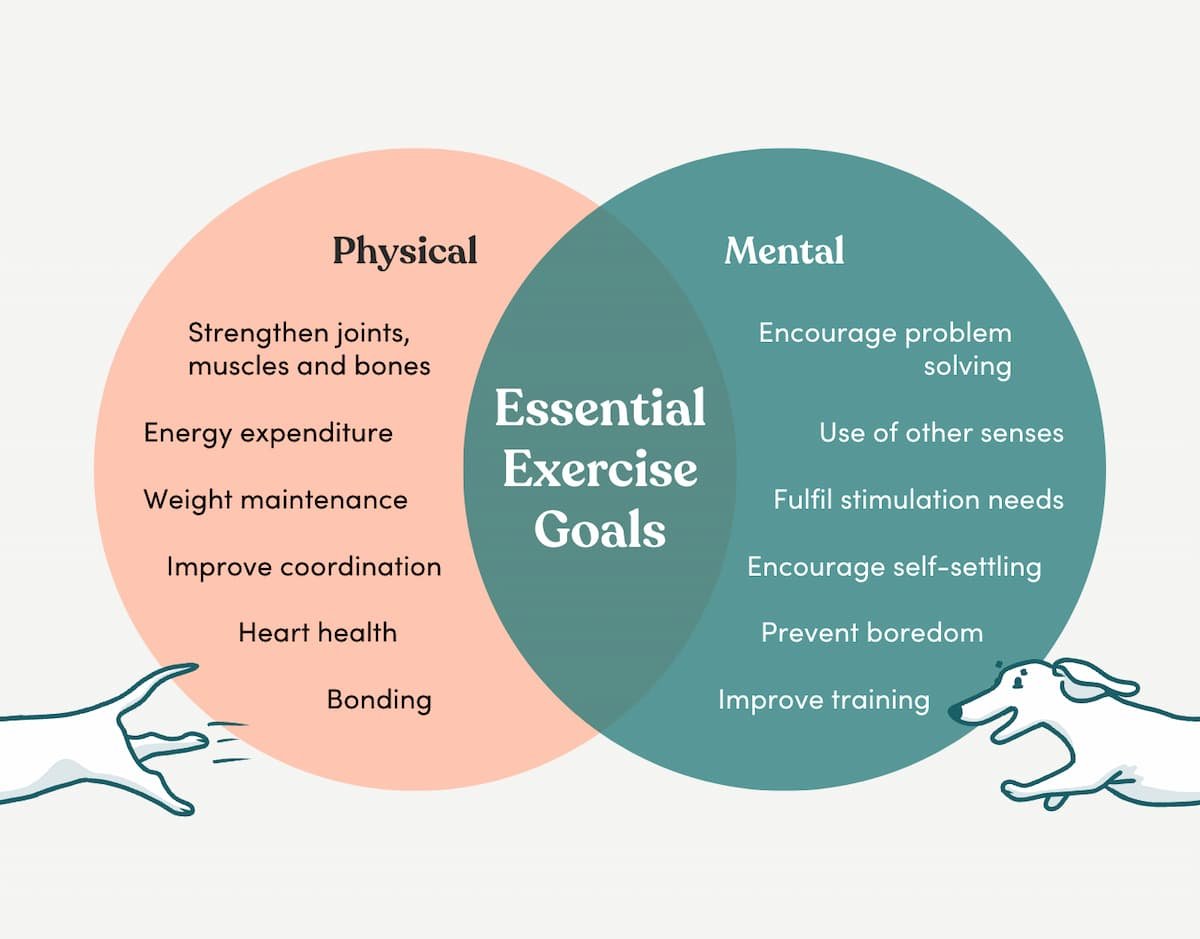
Is your furry best friend prone to mischievous chewing, relentless barking, or that "I'm bored out of my mind" stare? These aren't just quirks; they're often cries for help. Just like humans, dogs thrive on purpose and engagement, and a lack of it can lead to anxiety, destructive behaviors, and a generally unhappy pup. That's where Mental Stimulation & Puzzle Challenges for Dogs come in, transforming your canine companion from a bored housemate into a happy, problem-solving superstar.
These activities aren't just fun; they're vital for your dog's cognitive health, emotional well-being, and overall happiness. They challenge their problem-solving skills, provide rich entertainment, and are incredibly effective at reducing boredom, anxiety, and those frustrating destructive habits. The best part? You don't need a fancy gadget or an expensive trainer. Many of the most impactful puzzle games are DIY, affordable, and easy to set up right at home.
At a Glance: Key Takeaways for Your Dog's Brain Health
- Brain Work is Crucial: Mental stimulation is as important as physical exercise for a dog's happiness and health.
- Combat Boredom: Puzzles reduce anxiety, destructive behaviors, and general restlessness.
- Start Early: Puppies can begin engaging with simple puzzle games around 8-10 weeks old.
- Keep It Fresh: Rotate games every 3-5 days and gradually increase difficulty to maintain interest.
- Complement, Don't Replace: Mental challenges should enhance, not substitute, regular physical activity.
- DIY is Your Friend: Many effective and affordable puzzle games can be made from household items.
- Tap into Natural Instincts: Foraging and scent work are incredibly rewarding and stimulating for dogs.
Why Your Dog Needs a Brain Workout
Think about it: in the wild, dogs spend hours hunting, foraging, and navigating their environment. Modern domestic life, while comfortable, often strips away these natural problem-solving opportunities. This void is precisely what mental stimulation fills. It's not just about tiring them out; it's about giving their powerful brains a meaningful job to do.
A mentally understimulated dog might:
- Chew furniture or inappropriate items.
- Dig excessively in the yard.
- Bark or whine without apparent cause.
- Exhibit restless pacing or an inability to settle.
- Engage in repetitive behaviors like tail chasing.
- Show signs of anxiety or fear.
By providing regular mental challenges, you're not just preventing these undesirable behaviors; you're actively enriching your dog's life, boosting their confidence, and strengthening your bond. It's a win-win, creating a calmer, happier, and more fulfilled companion. For a broader perspective on canine playtime and its myriad benefits, consider diving into All about Playtime with Percy.
Starting Early and Staying Engaged: The Foundation of Mental Fitness
You might wonder when to introduce these challenges. The good news is, it's never too early (or too late!). Puppies as young as 8-10 weeks can begin engaging with simple puzzle games, helping to build their cognitive skills and confidence from a young age. For adult dogs, it's a fantastic way to keep their minds sharp and introduce new ways of interacting with their world.
The secret to long-term success lies in variety and progression. To keep your dog engaged and prevent them from getting bored or mastering a game too quickly, aim to rotate games every 3-5 days. Don't be afraid to gradually increase the difficulty as your dog's skills improve. Pay attention to their response: if they're frustrated, simplify the game; if they're breezing through it, make it a bit tougher. And remember, while incredibly beneficial for cognitive development and behavior, puzzle games are a complement to, not a replacement for, regular physical exercise. A tired body and an engaged mind make for the happiest dog.
Unlocking Their Inner Forager: Puzzle Feeders & Treat Dispensers
One of the most natural ways to engage a dog's brain is by making them work for their food. In the wild, meals aren't served in a bowl; they're earned through hunting and foraging. Puzzle feeders and DIY treat dispensers mimic this natural process, challenging your dog's problem-solving skills, providing entertainment, and even slowing down their eating (a bonus for fast eaters!).
The Power of Working for Food
These aren't just toys; they're essential tools for mental enrichment. By turning mealtime into a game, you're tapping into your dog's innate instincts, making food more rewarding and enjoyable.
- DIY Interactive Treat Dispenser:
- What you need: A sturdy plastic container with a removable lid (e.g., a clean milk jug, a large yogurt container, or a Tupperware box), a drill or sharp knife, non-toxic adhesive, and a small, movable puzzle piece (like a wooden block or a small plastic toy).
- How to make it: Carefully cut or drill several varying-sized holes around the container. These holes should be large enough for treats to fall out but small enough that your dog has to manipulate the container. For an added challenge, attach a movable puzzle piece (e.g., a small plastic disc that slides over a hole) to the container using non-toxic adhesive. Ensure all edges are smooth to prevent injury.
- How to play: Fill the container with your dog's favorite treats or kibble. Show your dog how to knock, nudge, or flip the container to get the treats out.
- Increase difficulty: Use smaller treats, add more complex movable pieces, or even put the container inside a larger, slightly open box, requiring two steps to get to the prize.
- Empty Plastic Bottle Game:
- What you need: An empty, clean plastic bottle (like a water or soda bottle, with the cap removed for safety), and small, dry treats.
- How to make it: Cut or drill several varying-sized holes around the bottle. Ensure the holes are smooth to prevent cuts.
- How to play: Fill the bottle with treats. Your dog will need to roll, bat, and mouth the bottle to get the treats to fall out. This game encourages bottle retrieval and scent exploration as they try to locate the treats.
- Adjusting difficulty:
- Easy: Use large holes and only a few treats.
- Medium: Use medium-sized holes and a moderate number of treats.
- Hard: Use small holes and pack the bottle with many treats, making them harder to dislodge.
Beyond the Bowl: Why These Work
Puzzle feeders aren't just about slowing down eating; they're about engagement. They require your dog to use their nose, paws, and mouth in coordinated ways, engaging multiple senses and motor skills. This type of mental effort is surprisingly tiring and satisfying for dogs, often leading to a calm nap afterward. It also prevents resource guarding by making food readily available through effort rather than something they have to protect.
Troubleshooting & Tips
- Start simple: If your dog is new to puzzles, make it very easy initially so they don't get frustrated. Let them see you put the treats in and let them watch as a treat or two falls out easily.
- Supervise: Always supervise your dog, especially when they're first learning a new puzzle, to ensure they don't ingest non-food parts or get overly frustrated.
- Use high-value treats: Especially in the beginning, use treats your dog absolutely loves to keep them motivated.
- Cleanliness: Regularly clean DIY puzzle feeders to prevent bacterial growth, especially if using wet treats or raw food.
Following Their Nose: The World of Scent Work & Foraging
A dog's primary sense is smell – it's how they interpret the world. Tapping into their powerful olfactory abilities through scent work and foraging isn't just mentally stimulating; it's incredibly fulfilling and calming. It's like giving them a puzzle that only their nose can solve.
Making Walks More Meaningful
Walks aren't just for potty breaks and physical exercise; they're prime opportunities for mental stimulation.
- Sniffing During Walks:
- How to do it: Instead of rushing your dog along, allow them ample time to stop and sniff interesting smells during your walks. Designate specific "sniffing areas" where you deliberately slow down and give them permission to explore. Let them take the lead occasionally, guiding you to new scent adventures.
- Why it works: Sniffing engages a complex part of their brain, providing a rich mental workout. It satisfies their natural curiosity and helps them feel more connected to their environment. This fulfills both mental and physical exercise needs simultaneously.
- Safety first: Always monitor what your dog is sniffing to prevent them from ingesting dangerous items or substances. Keep them on a leash in unfamiliar areas.
Indoor Scent Adventures
You don't need to be outdoors for effective scent work. Your home can become a treasure trove of smells and hidden treats.
- Snuffle Mats:
- What it is: A mat made of fabric strips (often high-quality polyester blend) sewn onto a base, creating numerous pockets and compartments where treats or kibble can be hidden.
- How to use it: Simply sprinkle your dog's meal or treats into the folds of the snuffle mat. Your dog will use their nose to root around, pushing aside the fabric to find the food.
- Benefits: Encourages sniffing and natural foraging behavior, provides excellent brain stimulation, and significantly slows down eating, which can aid digestion.
- DIY option: You can make a simple snuffle mat by tying strips of fleece onto a rubber mat with holes (like a sink mat). Ensure the fabric is durable and won't fray easily.
- Sensory Puzzle Box:
- What you need: A plastic container with a lid (shoebox-sized works well), treats, and various textures like crumpled paper, fabric scraps, toilet paper rolls, or cardboard pieces. Optional: a drop of pet-safe essential oil (e.g., lavender for calming).
- How to make it: Cut varying-sized holes in the lid and/or sides of the plastic container. Fill the container with layers of different textures. For example, a layer of crumpled paper, then some fabric scraps, then some cardboard tubes.
- How to play: Hide treats among the layers of textures. You can add a drop of a pet-safe essential oil to a cotton ball and hide it in the box (ensuring your dog doesn't ingest it) for enhanced scent exploration. Your dog will need to dig, nudge, and sniff through the textures to find the rewards.
- Adjusting difficulty: Change the hole size, add more layers of textured materials, or use smaller, harder-to-find treats.
The Unseen Benefits of Sniffing
Scent work is incredibly calming and can reduce stress in dogs. It's a low-impact activity perfect for older dogs, those recovering from injury, or high-energy dogs who need to settle down. Engaging their most powerful sense in a structured way also builds confidence and focus.
Mastering the Mission: Problem-Solving & Obstacle Navigation
These activities go a step beyond simply finding treats; they require your dog to figure out a sequence of actions or navigate a physical path to access their reward. This level of problem-solving builds critical thinking skills and physical coordination.
Building Their Confidence, Step by Step
These challenges teach your dog to think through a situation, make choices, and persist to achieve a goal.
- Cardboard Box Maze Challenge:
- What you need: A large, sturdy cardboard box (an appliance box or moving box is ideal), scissors or a utility knife, and treats.
- How to make it: Gather one or several large cardboard boxes. Cut holes of varying sizes in the sides of the box(es) to create an entrance and an exit, or to connect multiple boxes into a maze path. You can make it simple (one entrance, one exit) or more complex (multiple tunnels and dead ends).
- How to play: Place treats inside the box and just outside the entrance/exit to entice your dog. Guide them initially if they're hesitant.
- Start easy: For a beginner-level maze, start with larger holes and a very simple path. As your dog gains confidence, you can make the holes smaller and the maze more intricate.
- Muffin Tin Brain Teaser:
- What you need: A 12-cup muffin tin, treats, and 12 tennis balls or small toys (like plastic eggs or small blocks).
- How to play: Place a treat in some or all of the muffin cups. Then, cover each cup with a tennis ball or small toy. Your dog will use their paws, nose, or mouth to lift or move the covers to retrieve the treats.
- Adjusting difficulty:
- Easy: Only put treats in a few cups, making them obvious. Use lighter covers.
- Medium: Put treats in most cups, but not all. Use standard tennis balls.
- Hard: Put treats in only specific, non-obvious cups. Use slightly heavier covers or covers that are harder to grasp.
- Hidden Treat Obstacle Course:
- What you need: Household items to create obstacles (tunnels from blankets over chairs, cones made from plastic bottles, low "jumps" from broomsticks over books), and high-value treats.
- How to set it up: Arrange your chosen obstacles in a course around your living room or yard. Think about combining different types of movements: crawling, stepping over, weaving.
- How to play: Hide treats throughout the course – under a cone, behind a pillow, at the end of a blanket tunnel. Encourage your dog to navigate the obstacles to find the hidden rewards. This activity beautifully combines treat hiding, obstacle navigation, and rudimentary agility training.
- Tips for success: Maintain motivation with high-value treats and enthusiastic praise. Regularly change the course layout to keep it fresh and adjust difficulty by adding more complex obstacles or hiding treats in harder-to-reach spots.
Why These Challenges Matter
Problem-solving activities enhance a dog's cognitive flexibility and spatial awareness. They learn cause-and-effect, how to manipulate objects, and how to use their body to achieve a goal. This often translates to a dog who is more confident in new situations and less likely to be overwhelmed by environmental changes.
Deepening the Bond: Advanced Training & Interactive Engagement
Beyond puzzles, the greatest mental stimulation often comes from interacting with you. Learning new skills and engaging in purposeful play provides continuous mental exercise, strengthens communication, and builds an unbreakable bond between you and your dog.
Learning is a Lifelong Journey
Training isn't just for puppies. Challenging your dog with new commands or concepts keeps their mind sharp throughout their life.
- Advanced Training:
- What it involves: Go beyond basic sit and stay. Teach new, challenging commands like "find it" (for specific objects), "touch" (to a target), or complex sequences. Engage in concept training, such as distinguishing between different toys by name or understanding "left" and "right." A reliable recall command, for instance, not only provides long-term mental exercise but also invaluable practical results, requiring your dog to ignore distractions and focus on you.
- Benefits: This type of training improves impulse control, focus, and your dog's ability to learn. It also provides practical skills that enhance safety and enjoyment in daily life.
- Canine Sports:
- What it involves: Participate in canine sports like agility, flyball, obedience, or rally. These activities demand both physical and mental stamina, requiring your dog to follow complex commands, navigate obstacles, and work cooperatively with you.
- Benefits: These sports offer structured mental challenges, intense physical activity, and incredible bonding opportunities. Difficulty can be increased as your dog improves, ensuring a continuous learning curve.
Play with Purpose
Interactive play is a powerful form of mental stimulation because it involves dynamic communication and social interaction with you.
- Interactive Play:
- Examples: Games such as fetch, tug-of-war, or even structured chase games. The key is that a person responds to the dog's actions, creating a dynamic, engaging back-and-forth.
- Benefits: These games provide social interaction, help burn energy, and maintain continuous mental stimulation as your dog tries to anticipate your moves and react appropriately. As little as 15 minutes of dedicated, interactive play can significantly contribute to meeting your dog's daily mental exercise needs. It also teaches rules, boundaries, and appropriate play behavior.
- Hide-and-Seek:
- Prerequisites: Your dog should have a reliable "sit" or "stay" command, and ideally, a good "come" command.
- How to play: Have your dog sit and stay in one room while you go hide in another (initially, choose an easy spot). Call their name or use your "come" command. When they find you, reward them with enthusiastic praise and a high-value treat.
- Tips for success: Start with easy hiding spots where they can still hear and perhaps catch a glimpse of you. Use smelly, irresistible treats for initial encouragement. Gradually increase the difficulty by hiding in more challenging spots or having other family members take turns hiding.
Beyond Just Fun: The Connection
These interactive activities are more than just ways to pass the time; they are vital for fostering a deep, trusting relationship with your dog. They learn to trust your guidance, respond to your cues, and find joy in shared experiences. This strengthens your bond, making your dog more receptive to training and more secure in their place within your family.
Addressing Your Top Questions About Mental Stimulation
It's natural to have questions when introducing new routines for your dog. Here are some common concerns and practical answers.
How often should I offer puzzle games?
Ideally, incorporate mental stimulation into your dog's daily routine. Aim for at least 15-30 minutes of dedicated puzzle or training time each day. This could be broken into shorter sessions throughout the day. Remember to rotate games every 3-5 days and adjust frequency based on your dog's engagement and energy levels. Some dogs might benefit from a puzzle feeder for every meal, while others might do better with one focused puzzle session a day.
My dog destroys everything. How do I start?
This is a common concern! Start with indestructible, heavy-duty puzzles or DIY options made from very tough materials (like hard rubber toys or sturdy PVC pipes, ensuring no sharp edges). Always supervise your dog, especially with new puzzles. If they try to chew the puzzle itself, redirect them to the correct way to solve it or remove the puzzle and try again later with a simpler version. Consistency and supervision are key. Gradual introduction, ensuring success, will build their confidence.
Are store-bought puzzles better than DIY?
Not necessarily! Store-bought puzzles often have excellent durability and intricate designs, but DIY puzzles are equally effective and incredibly affordable. The main benefit of DIY is that you can endlessly customize them to your dog's specific needs, skill level, and destructive tendencies. Plus, the novelty of a "new" DIY puzzle every few days is often more engaging than the same store-bought toy. Combine both for maximum variety!
Can mental games replace walks or physical exercise?
Absolutely not. Mental stimulation and physical exercise are two distinct, yet equally vital, components of your dog's overall well-being. Think of it this way: physical exercise keeps their body healthy and tires them out physically, while mental stimulation keeps their mind sharp and tires them out mentally. Both are necessary for a truly happy, balanced dog. Mental games should always complement, not replace, regular walks, runs, and active play.
The Path to a More Engaged & Happier Dog
Embracing mental stimulation and puzzle challenges for your dog is one of the most rewarding investments you can make in their well-being. It's not just about stopping undesirable behaviors; it's about fostering a confident, resilient, and joyful companion who understands the world around them and feels deeply connected to you.
Start small, observe your dog's reactions, and don't be afraid to experiment with different types of puzzles and activities. Remember the golden rules: variety keeps things fresh, gradual difficulty increases engagement, and positive reinforcement builds confidence. With a little creativity and consistency, you'll unlock a whole new dimension of happiness for your furry friend. Pick one new challenge from this guide and try it out this week. Your dog's wagging tail and bright, intelligent eyes will be all the thanks you need.