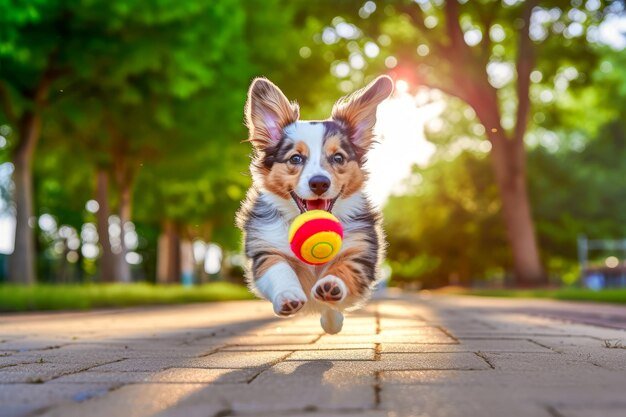
Every dog owner wants their furry companion to be happy, healthy, and well-behaved. We often focus on physical exercise—the daily walk, a vigorous game of fetch—but what about their minds? Just like humans, dogs thrive on mental stimulation. This isn't just a nicety; for many breeds, it's a fundamental need. The best dog toys for engaging play go beyond simple entertainment; they’re tools for mental enrichment, tapping into your dog's natural instincts and providing a critical outlet for their intelligence and energy.
If your dog seems bored, anxious, or is finding creative (and often destructive) ways to entertain themselves, it might be time to upgrade their toy box with items designed to challenge their brilliant canine brains.
At a Glance: Key Takeaways for Engaging Play
- Enrichment is Essential: Mental stimulation is as important as physical exercise for a dog's well-being.
- Beyond Basic Toys: Standard toys often don't provide enough challenge for intelligent or high-energy dogs.
- Benefits Abound: Enrichment reduces boredom and anxiety, improves behavior, and boosts mental health.
- Tailor Your Choice: Consider your dog's age, size, chewing style, and energy level when selecting toys.
- Variety is Key: Rotate toys regularly to keep your dog interested and engaged.
- Supervise Safely: Always oversee playtime, especially with new toys, to prevent hazards.
Why Mental Enrichment Matters: Beyond Just a Walk in the Park
Think of your dog's brain like a muscle. If you don't use it, it can atrophy or, worse, find its own less-than-ideal ways to get a workout. This is where enrichment toys shine. These aren't just pretty distractions; they are purpose-built tools designed to engage your dog's natural instincts for foraging, problem-solving, chewing, and licking. They demand more than a simple toss and retrieve; they invite your dog to think.
For highly intelligent and energetic breeds—think Australian Shepherds, Border Collies, or even those surprisingly clever French Bulldogs—regular toys often fall short. They need a challenge that taps into their problem-solving abilities, mimicking the "work" their ancestors would have done in the wild. Without this mental engagement, boredom sets in, often leading to a cascade of undesirable behaviors.
The Real-World Benefits of a Stimulated Mind
Investing in enriching playtime isn't just about peace and quiet; it's about fostering a happier, healthier, and better-adjusted companion.
- Improved Mental Health: Just like a good crossword puzzle for us, enrichment toys challenge your dog's brain, keeping them sharp, focused, and mentally active. This can be especially beneficial as dogs age, helping to maintain cognitive function.
- Reduced Boredom: A bored dog is a restless dog. Enrichment toys offer sustained entertainment, preventing that glazed-over look or the incessant pacing that signals a need for more.
- Better Behavior: Many common behavioral issues—from destructive chewing on furniture to excessive barking or digging—stem from pent-up mental energy. When their minds are engaged in appropriate ways, dogs are less likely to act out. It's a cornerstone of mastering dog behavior and creating a harmonious home.
- Increased Physical Activity: Many interactive and puzzle toys require movement, encouraging your dog to push, nudge, chase, and jump, contributing to their overall physical fitness.
- Stress Relief: For anxious dogs, the focused activity of solving a puzzle or a prolonged licking session can be incredibly calming. It provides a healthy, engaging way to release pent-up energy and anxiety.
Choosing the Right Toy: 10 Factors for Tailored Play
Selecting the perfect enrichment toy isn't a one-size-fits-all endeavor. What delights one dog might frustrate another. To make the best choice for your unique companion, consider these ten crucial factors:
1. Dog’s Age: Life Stage Matters
Puppies, adults, and senior dogs have different needs and capabilities.
- Puppies: Need toys that are gentle on developing teeth, promote early problem-solving, and can withstand enthusiastic chewing. Look for smaller sizes and durable, non-toxic materials. Foundational puppy training often includes early toy introduction.
- Adults: Can handle a wider range of complexity and durability, depending on their individual traits.
- Seniors: May benefit from softer materials, easier puzzles to avoid frustration, and toys that don't require too much physical exertion. Considerations for caring for senior dogs include mental stimulation that accounts for declining mobility or eyesight.
2. Size of Your Dog: Safety First
This is non-negotiable for safety. A toy too small for a large dog becomes a choking hazard. One too large for a small dog might be frustrating or impossible to manipulate. Always check manufacturer recommendations for weight and breed size.
3. Chewing Strength: Durability for Determined Jaws
Is your dog a gentle gnawer or a power chewer who can de-stuff a plushie in minutes?
- Aggressive Chewers: Opt for extremely tough materials like solid rubber or reinforced nylon. Brands like Kong Extreme are designed for these mighty chompers.
- Moderate Chewers: Standard durable rubber, nylon, or multi-layered fabric toys often suffice.
- Gentle Chewers: Soft plastics, natural rubber, or plush toys (with supervision) are usually fine.
4. Interest in Puzzles: A Brainiac's Delight
Some dogs are natural problem-solvers; they love to figure things out. Others get easily frustrated.
- Puzzle Enthusiasts: Choose multi-layered puzzle toys with adjustable difficulty levels.
- Beginners/Lower Interest: Start with simpler treat-dispensing toys or snuffle mats that require minimal "thinking" to yield a reward.
5. Energy Level: Matching Intensity
- High-Energy Dogs: Will thrive with interactive toys that encourage movement, chasing, and prolonged engagement, as well as complex treat-dispensing puzzles that keep them busy for extended periods.
- Low-Energy Dogs: Might prefer simpler chew bones, lick mats, or plush toys for calmer, less strenuous mental activity.
6. Toy Durability: Built to Last (or Not)
This ties into chewing strength but also considers the overall construction. If your dog destroys toys quickly, prioritize those marketed as "extra-durable" or "tough." Look for reinforced seams and high-quality materials.
7. Safety Features: Non-Toxic and Hazard-Free
Always prioritize toys made from non-toxic, pet-safe materials. Avoid toys with small, easily detachable parts that could be swallowed or cause choking. Look for established brands with good safety reputations. This is a key aspect of choosing safe dog products.
8. Ease of Cleaning: Hygiene Matters
Enrichment toys, especially treat-dispensing and licking ones, can get messy. Select options that are dishwasher-safe or have smooth surfaces that are easy to wipe down. Regular cleaning prevents bacteria buildup.
9. Behavioral Benefits: Targeting Specific Needs
- Fast Eaters: Slow feeders and treat-dispensing toys can extend mealtime and prevent bloating.
- Anxious Dogs: Licking mats or stuffable toys provide a soothing, repetitive action.
- Destructive Chewers: Durable chew toys redirect their chewing instincts appropriately.
- Bored Dogs: Interactive puzzles provide mental stimulation.
10. Variety and Rotation: Keep the Spark Alive
Even the best toy can become boring if it's always available. Build a collection of 5-7 go-to enrichment toys and rotate them every few days or weeks. This keeps things fresh and maintains your dog’s interest, making each "rediscovered" toy feel new again.
A Deep Dive into Engaging Toy Categories
Now that you know what to look for, let's explore the types of enrichment toys that can transform your dog's playtime.
1. Puzzle & Interactive Toys: The Brain Games
These toys are designed to challenge your dog's problem-solving skills, requiring them to figure out how to access treats or engage with hidden elements. They're fantastic for mental agility and preventing boredom.
- Outward Hound Hide-A-Squirrel: A classic hide-and-seek game where squirrels are hidden in a plush log. Dogs learn to pull them out, satisfying their prey drive and problem-solving instincts.
- West Paw Qwizl Treat Puzzle: This durable, Z-shaped toy holds treats or chews, making them last longer and requiring your dog to work at extracting them. It’s also great for moderate chewers.
- Lunoji Snuffle Mat: A fabric mat with numerous folds and pockets where you can hide kibble or treats. Dogs use their powerful sense of smell and nose to "hunt" for food, engaging their natural foraging instincts and slowing down eating.
- Hi5Paws Interactive Puzzle Toy: Often featuring multi-layered challenges like sliding panels or lifting components, these toys demand sequential steps from your dog to reveal rewards. They're excellent for building confidence and cognitive skills.
2. Treat-Dispensing Toys: Rewarding Effort
These are perhaps the most popular category, turning mealtime or snack time into an engaging activity. Dogs must manipulate the toy to release food, extending the enjoyment and adding mental work.
- Kong Classic: The iconic, virtually indestructible rubber toy that can be stuffed with treats, peanut butter, or kibble. Freezing it adds an extra layer of challenge, providing long-lasting mental stimulation through licking and chewing.
- GiGwi Treat Ball: A durable ball with an opening that dispenses treats as it rolls and bounces. It encourages active play and rewards movement.
- West Paw Toppl: A durable, non-toxic, cup-shaped toy with interior ridges that can be stuffed with soft treats and frozen. It’s excellent for licking, slow eating, and dogs who find traditional Kongs a bit too deep.
- Lunoji Treat Maze: A puzzle ball or disk where treats navigate a maze-like interior before being dispensed. It requires consistent effort and manipulation, great for persistent dogs.
3. Licking & Sensory Toys: The Calming Effect
Licking is a self-soothing behavior for dogs, releasing endorphins. Licking mats and similar toys are fantastic for reducing anxiety, distracting from stressful situations, and simply providing a healthy outlet.
- LickiMat Classic Buddy: A textured rubber mat designed to spread soft treats like yogurt, peanut butter, or wet food. The unique surface encourages prolonged licking, reducing anxiety and boredom, and promoting fresh breath.
- Hi5Paws Lick Pad: Similar to a LickiMat, these pads adhere to smooth surfaces (like shower walls for bath time distraction) and offer a textured area for spreading treats, providing a soothing, focused activity.
- West Paw Tux: A durable, stuffable toy with a deep pocket perfect for wet food or frozen treats. Its design encourages both licking and chewing, making it versatile for different types of engagement.
- Kong Stuff-a-Ball: With unique Denta-Ridges, this toy can be stuffed with treats and also helps clean teeth as your dog licks and chews.
4. Chew & Tug Toys: Purposeful Play
While many chew toys are just for destruction, some are designed with enrichment in mind, promoting dental health, satisfying natural instincts, or providing interactive fun.
- Outward Hound Invincible Snake: More than just a chew toy, this durable plush snake features multiple squeakers that continue to squeak even if punctured, satisfying prey drive without quickly becoming "dead."
- GiGwi Durable Chew Toy: Made from tough rubber, these are designed to withstand aggressive chewing while often incorporating textures that help clean teeth and massage gums. The act of dedicated chewing is mentally satisfying.
- Hi5Paws Rope Chew Toy: Excellent for supervised tug-of-war, which builds a bond between you and your dog. They also offer dental benefits by flossing teeth as dogs chew and tug. Choose durable, tightly woven ropes without small, easily frayed pieces.
- Kong Extreme Chew Toy: The black version of the classic Kong, specifically engineered for the most powerful chewers. It satisfies their intense chewing needs while offering a stuffing option for added mental work.
5. Slow Feeders & Foraging Mats: Eating with Intention
These transform mealtime from a quick gulp into a mentally stimulating activity, crucial for dogs who eat too fast or need more engagement around food.
- Lunoji Snuffle Bowl: A bowl with a maze-like design or fabric flaps that makes dogs work to get their kibble. It slows down eating significantly and engages their sense of smell.
- Outward Hound Fun Feeder: Features intricate ridges and patterns within a bowl, forcing dogs to navigate their food, which prevents bloating, improves digestion, and provides mental stimulation.
- LickiMat Wobble Bowl: A textured bowl that wobbles and moves, adding an extra layer of challenge to slow eating. It's excellent for both dry kibble and wet food.
- GiGwi Rolling Feeder: A ball or cylinder that dispenses kibble as your dog rolls it around, turning mealtime into an active game.
6. Water Toys: Fun for the H2O Enthusiast
For dogs who love to swim or play in water, these toys add an enriching dimension to their aquatic activities, promoting both physical and mental engagement.
- Kong Aqua: A durable, floating version of the classic Kong, perfect for fetch and retrieving in water. It's highly visible and durable.
- Chuckit! Water Dog: Lightweight, buoyant balls designed for high visibility and floatability, making them ideal for water fetch and retrieval games.
- Outward Hound Floatiez: A range of durable, brightly colored floating toys designed to withstand water play and be easily spotted.
Introducing New Toys: Best Practices for Success
Bringing home a new enrichment toy is exciting, but how you introduce it can make all the difference in how quickly your dog adopts it and how much they enjoy it.
- Supervise and Conduct Safety Checks: Always, always supervise your dog, especially with a new toy. Watch for any signs of frustration, small pieces breaking off, or attempts to destroy the toy incorrectly. If a toy shows signs of damage, discard it immediately to prevent choking hazards.
- Rotate Toys: As mentioned, maintain a diverse collection and rotate toys regularly. Put some away for a week or two, then bring them back out. This simple practice keeps things fresh and exciting, extending the lifespan of your dog's interest.
- Pair with Treats: When introducing a puzzle or treat-dispensing toy, use your dog’s absolute favorite, high-value treats. The immediate, positive reward will create a strong association between the toy and a good experience.
- Train for Puzzle Toys: Start with the easiest setting or a very obvious way to get the treat. Don't make it too hard too soon, or your dog might get frustrated and give up. Gradually increase the difficulty as your dog gains confidence and problem-solving skills. Sometimes, you might need to guide them with your hand or voice initially.
Beyond Toys: Holistic Mental Stimulation Strategies
While toys are fantastic, remember they're part of a larger picture of mental enrichment. Consider integrating these other forms of stimulation into your dog's routine:
- Interactive Games: Games like hide-and-seek, fetch with rules, or even just talking to your dog and varying your walk routes provide great mental workouts. Don't forget to Explore Playtime with Percy for more ideas on engaging games!
- Obedience Training: Learning new commands or refreshing old ones is an excellent brain exercise. It strengthens your bond and builds their confidence.
- Scent Work: Dogs experience the world through their noses. Setting up simple scent games—like hiding treats around the house for them to find—is incredibly enriching and satisfying. You could even explore DIY enrichment activities that leverage their incredible sense of smell.
- Teaching New Tricks: Beyond basic commands, teaching fun tricks like "roll over" or "shake a paw" keeps their minds agile and offers a sense of accomplishment.
Common Questions About Dog Enrichment
You've got the basics, but some common questions often pop up when diving into the world of canine enrichment.
What exactly are enrichment toys for dogs?
Enrichment toys are specially designed dog toys that go beyond simple entertainment. They engage a dog's natural instincts—like foraging, problem-solving, chewing, and licking—to provide both mental and physical stimulation. They're about making your dog think and work for their rewards, rather than just passively interacting.
Why is enrichment important for dogs?
Enrichment is crucial for a dog's overall well-being. It promotes mental stimulation, reduces boredom and anxiety, helps curb destructive behaviors, and provides a healthy outlet for pent-up energy. For intelligent and high-energy breeds, it's particularly vital as regular toys often don't offer enough of a challenge, leading to frustration or acting out.
How often should I use enrichment toys with my dog?
Aim for daily engagement! Even 10-20 minutes with a puzzle toy or a slow feeder during mealtime can make a significant difference. For high-energy or easily bored dogs, incorporating multiple enrichment sessions throughout the day, or always using a slow feeder for meals, is ideal. The key is consistency and variety.
Are all "tough" toys also "enrichment" toys?
Not necessarily. While many enrichment toys are designed to be durable, not all tough toys provide mental engagement. A solid, indestructible chew bone might satisfy a dog's need to chew (which is a form of enrichment), but it typically doesn't require problem-solving like a treat-dispensing puzzle. The "enrichment" aspect comes from the toy engaging a specific instinct or challenging their mind.
Making Every Playtime Count: Your Next Steps
You're now equipped with the knowledge to make informed choices for your dog's mental well-being. The journey to a more enriched life for your canine companion begins with understanding their unique needs and selecting toys that cater to those instincts.
Start by observing your dog. Are they a super chewer? Do they enjoy sniffing things out? Do they easily get frustrated or thrive on a good challenge? Use these insights to choose one or two new toys from the categories discussed. Remember to introduce them slowly, supervise closely, and celebrate their successes.
By prioritizing mental enrichment, you're not just buying a toy; you're investing in a happier, healthier, and more engaged life for your best friend. The joy you'll see in their eyes as they solve a puzzle or contentedly lick a treat mat is its own reward. Go forth and enrich!